Instrument lore
The instruments of a session
Not a catalogue — a set of introductions. For each instrument: what it sounds like in this music, a little of where it came from, and the first honest advice a beginner needs. No great Highland pipes indoors; the small pipes and border pipes will get their own page.
-
Fiddle
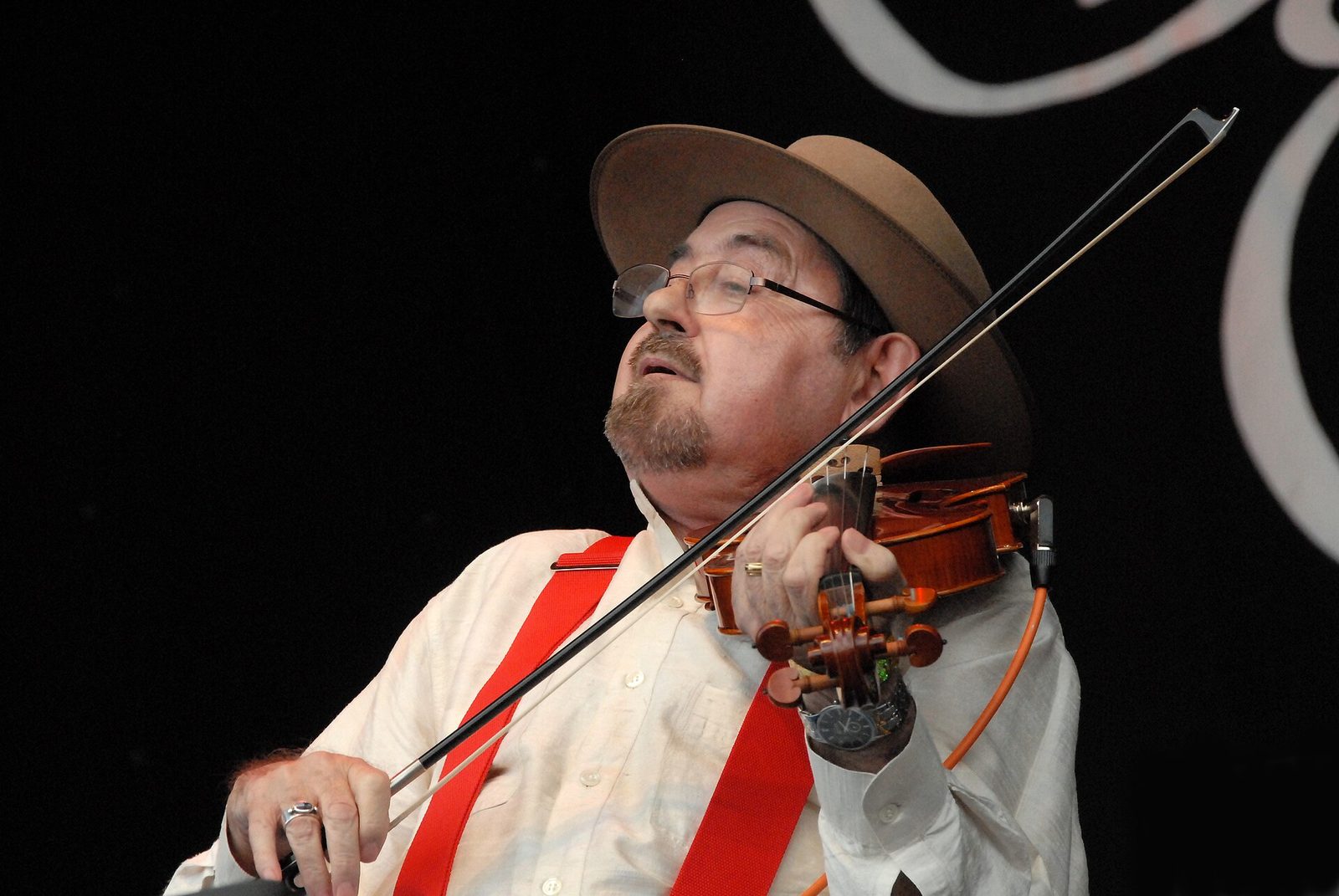
The same instrument as a violin; a different way of holding it, bowing it, and thinking about it. The lead voice in Scottish, Irish, Cape Breton, and Appalachian music alike.
Starting out: A decent student violin and a teacher who plays traditional music — classical technique will fight you on the bowing.
-
Bodhrán
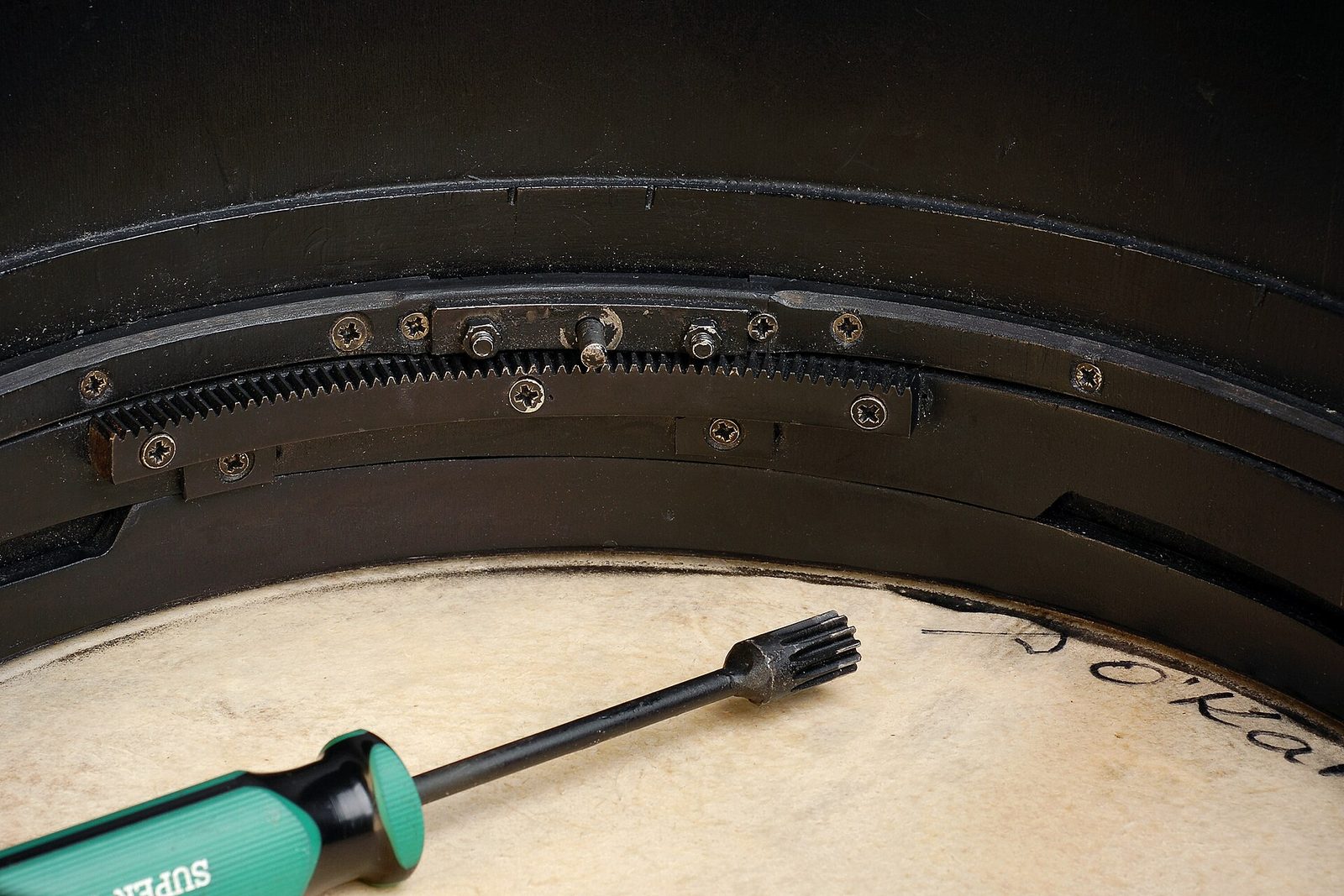
The Irish frame drum: goatskin over a wooden hoop, played with a double-ended stick (a tipper or cipín) while the other hand shapes the tone from behind the skin.
Starting out: A tunable 14–16 inch drum with a deep rim. Learn to play quietly first; a session forgives a soft drum and never a loud one.
-
Concertina
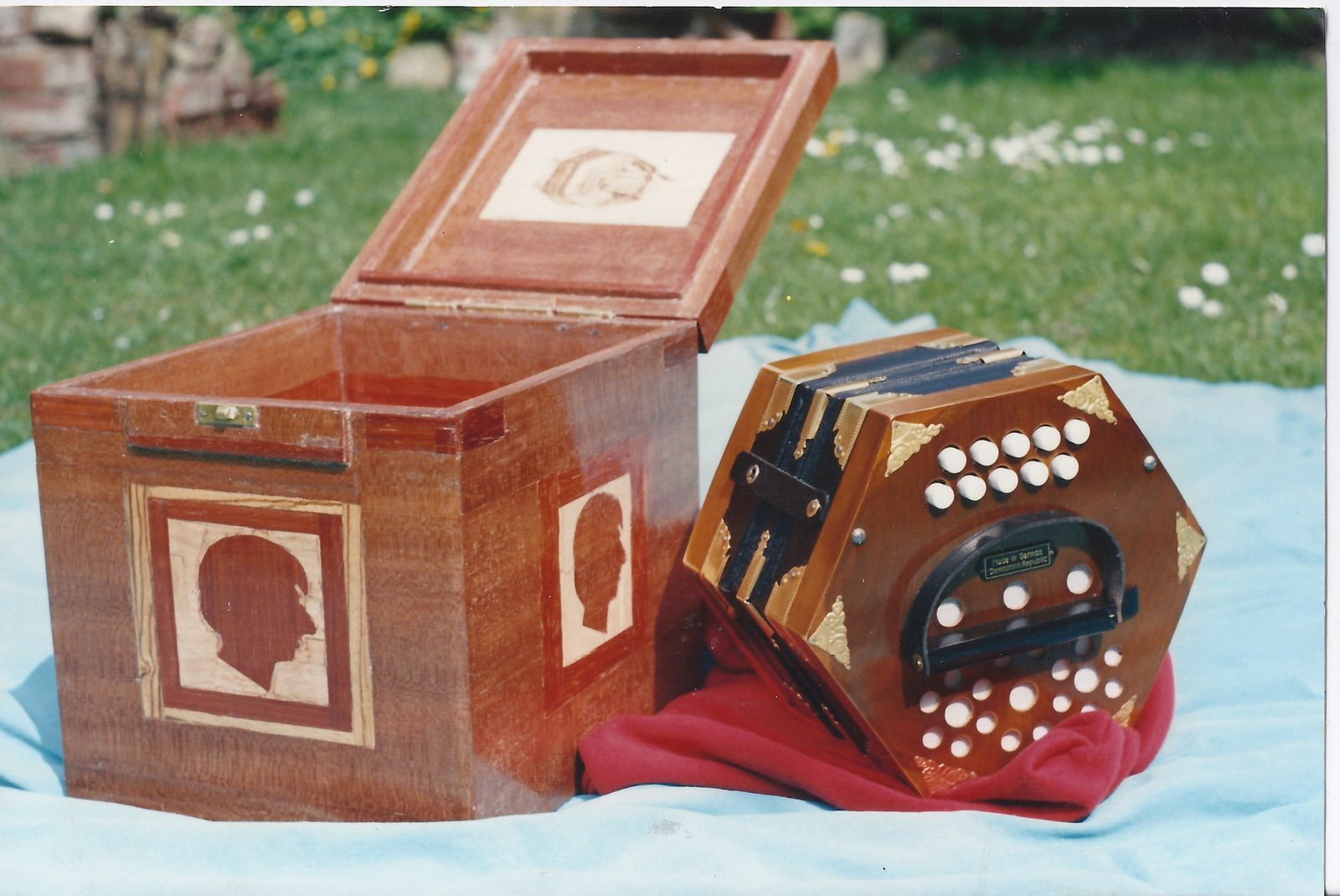
The small hexagonal squeezebox. The Anglo system (a different note pushing and pulling) is the one you hear in Irish music; the English system suits song and Northumbrian repertoire.
Starting out: A 30-button Anglo in C/G. Cheap ones exist and are worth avoiding; rent or buy a mid-range instrument.
-
Melodeon & button accordion
The bigger squeezeboxes that drive English, Breton, Cape Breton, and Irish dance music. A melodeon is a one- or two-row diatonic box; a B/C or C#/D box is the Irish standard.
Starting out: A two-row D/G melodeon for English and Breton tunes; a B/C box if Irish music is your aim.
-
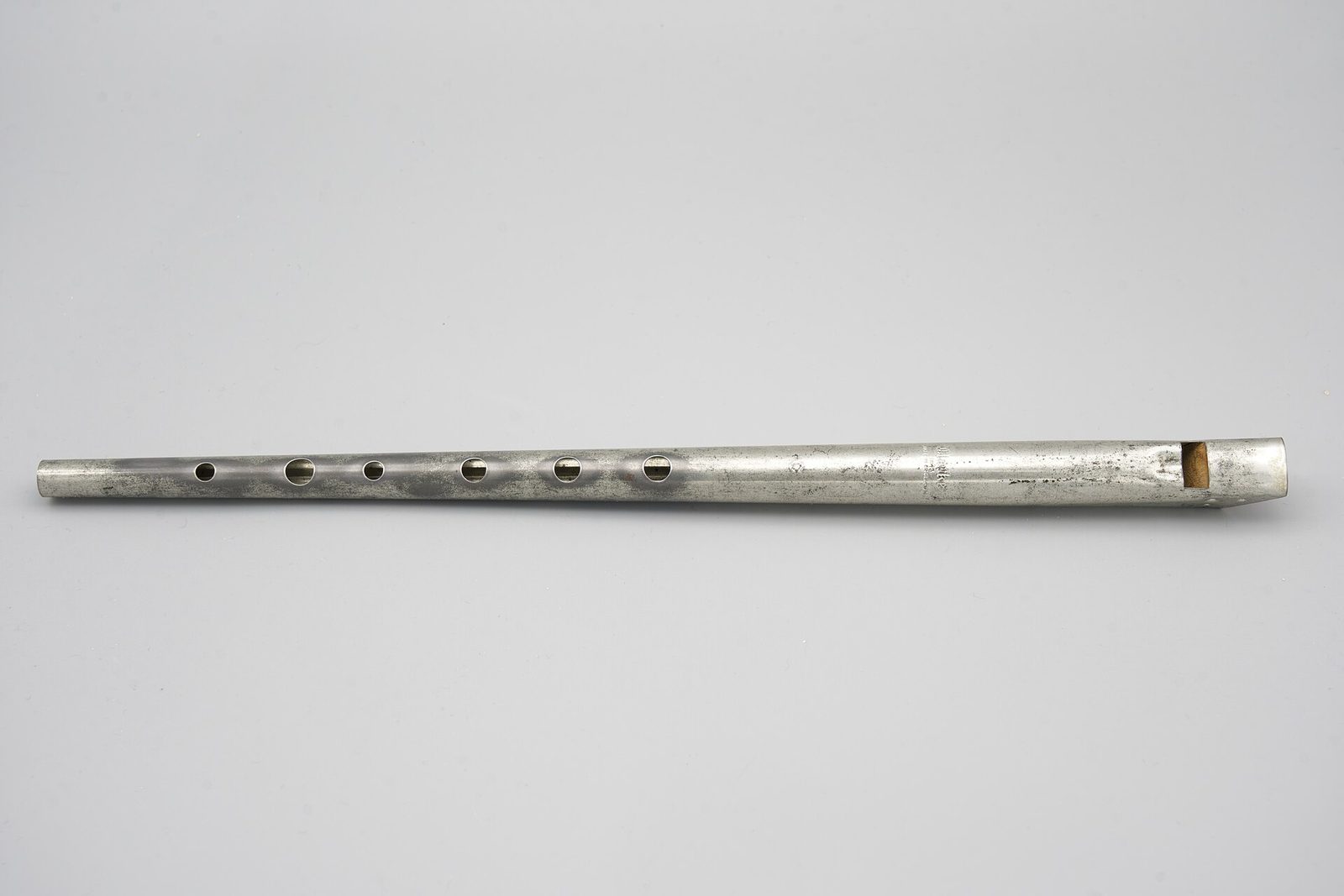
Wooden flute & tin whistle
The simple-system wooden flute and its cheap cousin the tin whistle share the same fingering, so many players move from one to the other. Both carry a tune with breath, not bow.
Starting out: A whistle in D costs less than a meal. Learn the tunes on it; move to flute when your ear is ahead of your fingers.
-
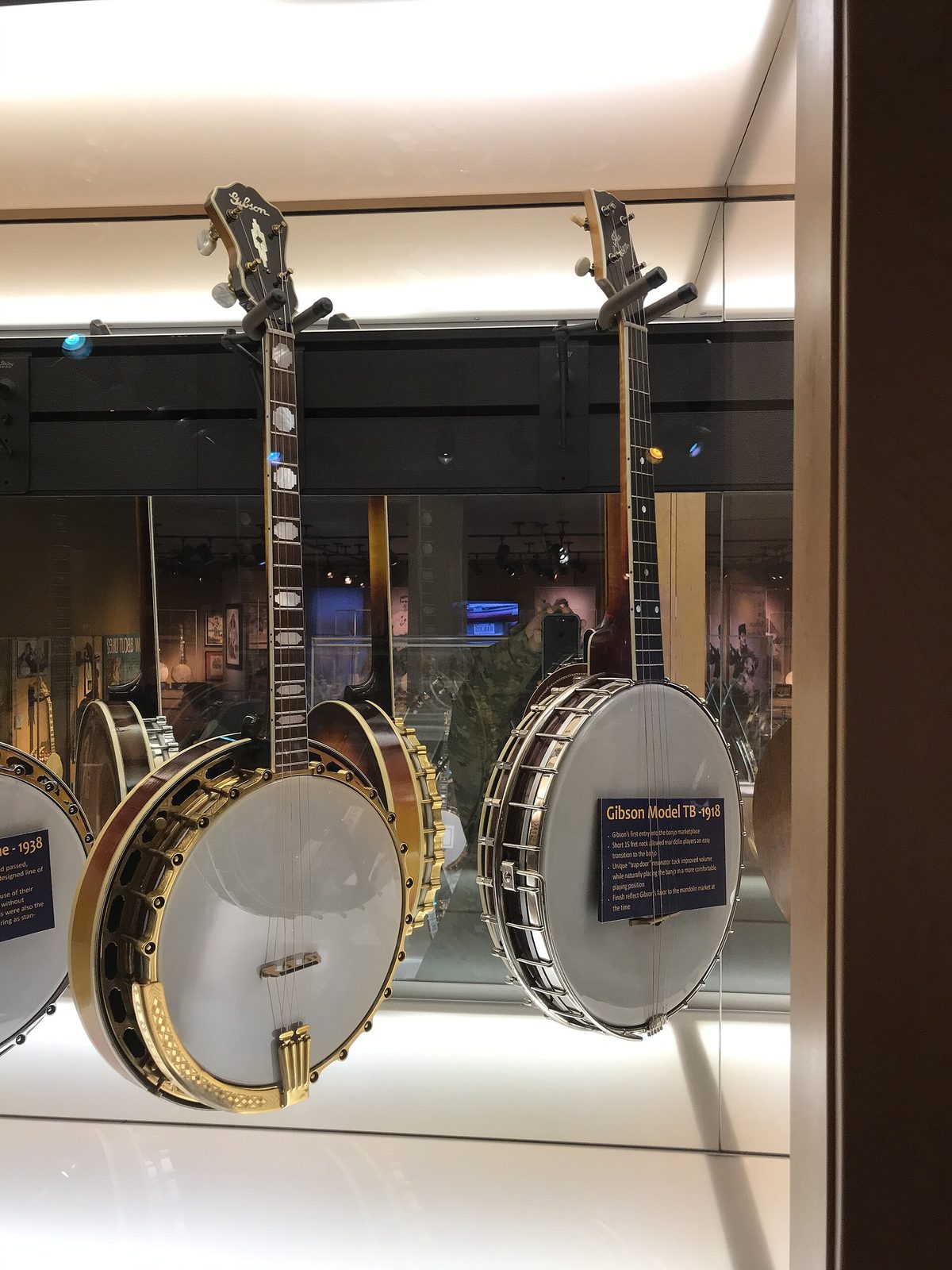
Tenor banjo
The four-string banjo, tuned like a fiddle an octave down (GDAE). An American instrument adopted by Irish players in the 1920s and now a session fixture — play it clean and not too loud.
Starting out: A 17- or 19-fret tenor with a resonator you can remove. Flatpick, one note at a time; chords are for the guitarist.
-
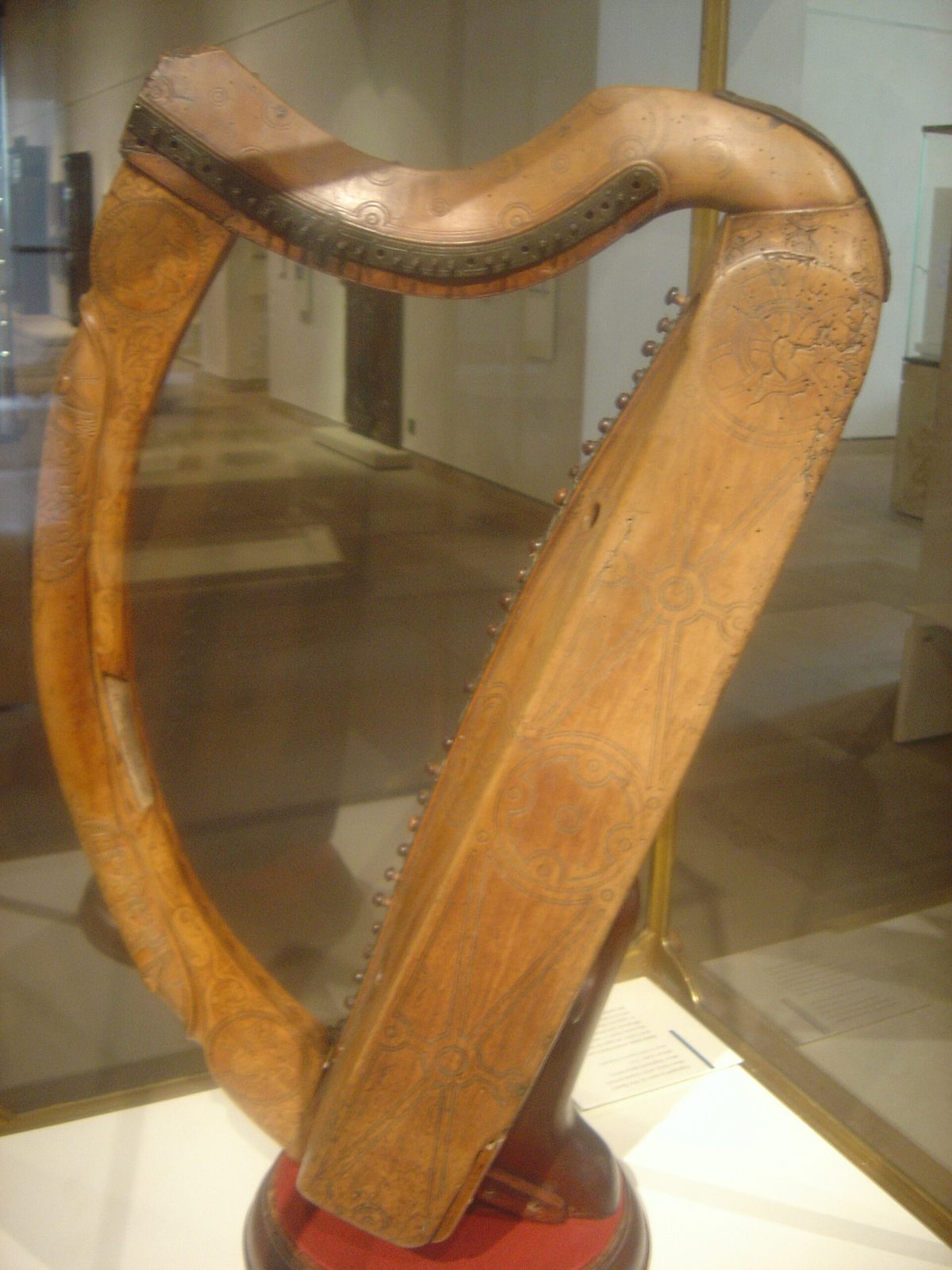
Clàrsach (Celtic harp)
The small harp of Scotland and Ireland — historically wire-strung, today more often gut or nylon. The oldest of the instruments here, and the one with the strangest history of being banned, revived, and reinvented.
Starting out: A 26–34 string lever harp. Lessons matter more here than for any other instrument on this page.
-
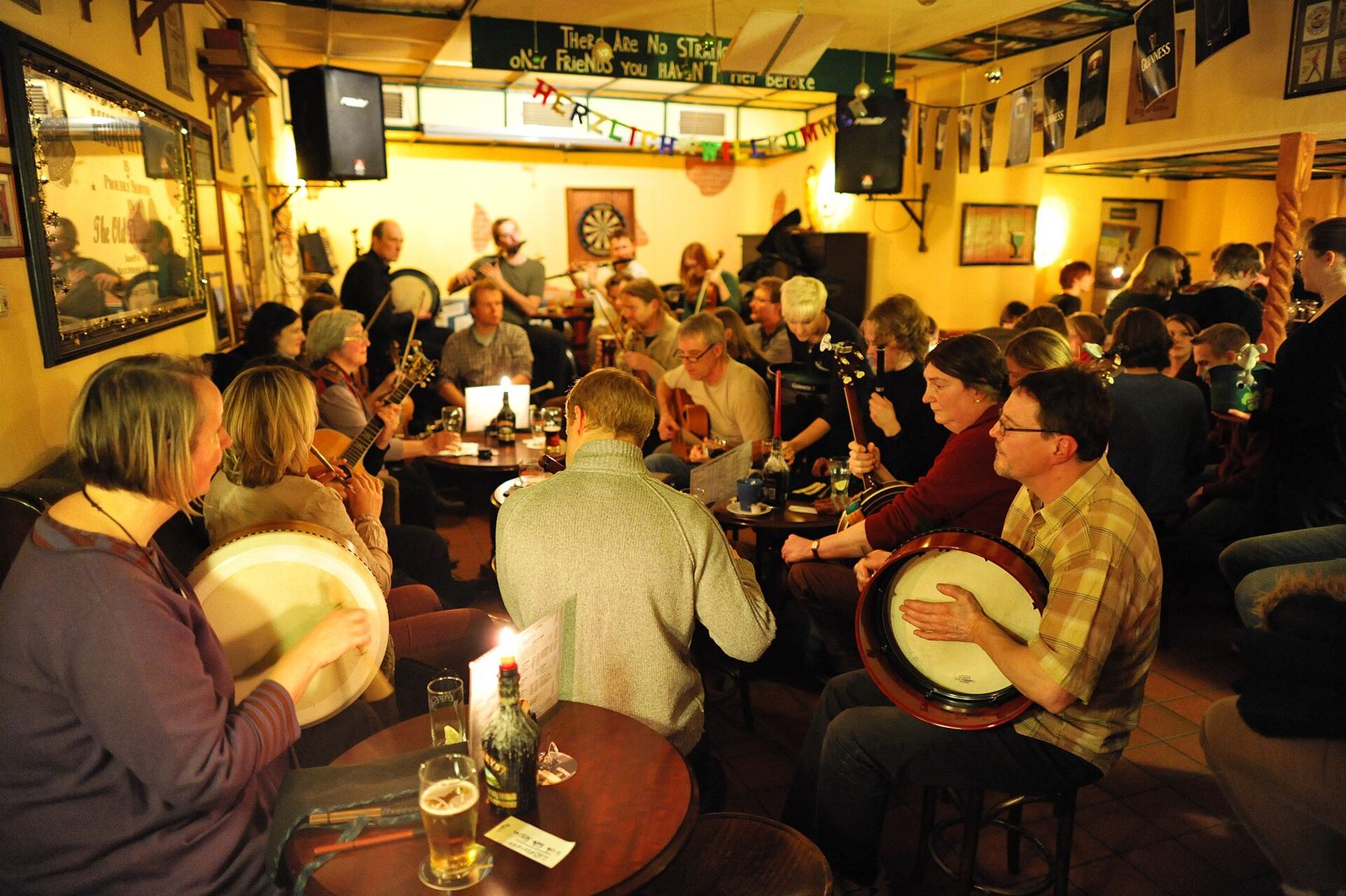
Guitar & bouzouki
The backing instruments: DADGAD or drop-D guitar and the Irish bouzouki, a flat-backed cousin of the Greek instrument that arrived in the 1960s and stayed.
Starting out: Any steel-string guitar retuned to DADGAD. Learn to follow before you learn to lead; the tune players will tell you when it works.
What’s deliberately missing
The Great Highland bagpipe is a magnificent outdoor instrument and a poor guest in a low-ceilinged pub. It belongs to the parade ground, the games field, and the funeral, and it will be written about with the respect it deserves — but not presented as what a session sounds like. The Scottish smallpipes and Border pipes, quieter bellows-blown instruments built for exactly this music, are the ones you’ll actually meet at the table.
Photographs on this page are openly licensed from Wikimedia Commons; see credits.